Squad Rotation Patterns and Their Ripple Effects on Multi-League Wagering Markets
Skriven av Zara Weber · 2026-09-15
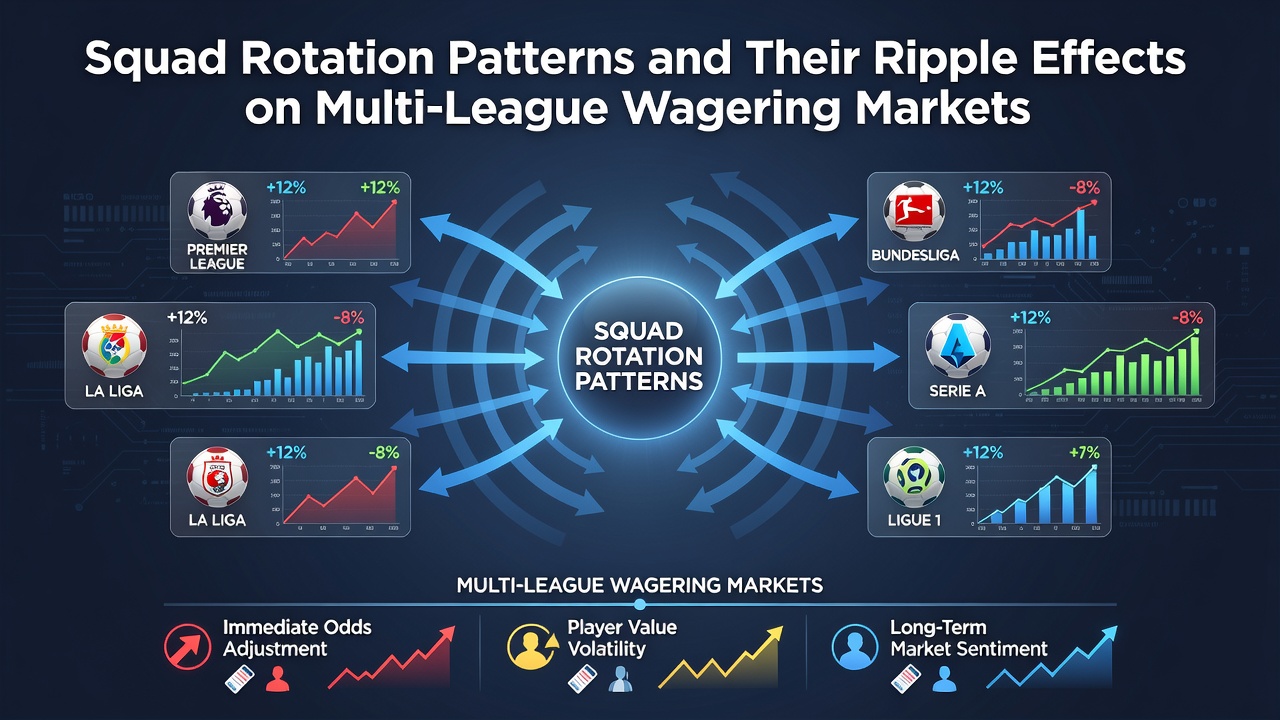
Squad Rotation Patterns and Their Ripple Effects on Multi-League Wagering Markets
Football clubs competing across domestic leagues and European competitions face constant pressure to balance player availability with fixture demands, and squad rotation has emerged as a core tactical response. Managers adjust lineups based on travel schedules, injury reports, and upcoming matches in separate tournaments, which creates measurable shifts in team performance that betting markets track closely. In September 2026, several European leagues including Allsvenskan and the Bundesliga saw rotation spikes during midweek Champions League fixtures, with data from club reports indicating an average of four to six starting changes per match.
How Rotation Patterns Develop Across Competitions
Coaches rotate players to manage fatigue when teams play three matches in eight days, and this practice follows identifiable cycles tied to league calendars. Teams in multiple competitions often rest star forwards and central defenders after continental away games, leading to altered attacking outputs in domestic fixtures. Researchers at the University of Loughborough tracked rotation frequency in the 2025-2026 season and found that clubs participating in the UEFA Champions League altered their starting elevens 35 percent more often than non-European sides during September windows.
These adjustments extend beyond simple rest decisions. Midfielders who log high minutes in European ties frequently drop to the bench for league games, which changes pressing intensity and possession statistics. Observers note that such patterns appear consistently in September when the new season overlaps with early group-stage matches, forcing clubs to prioritize recovery while maintaining league positions.
Data Patterns in Goal Totals and Match Outcomes
Statistical models show that rotated squads produce fewer high-quality chances, which directly influences over-under markets across multiple leagues. When a side rests three or more regular starters, average expected goals drop by 0.4 to 0.7 per game according to tracking data compiled by European sports analytics firms. This effect compounds in cross-border scenarios where one team travels from a Champions League match to a domestic fixture within 72 hours.
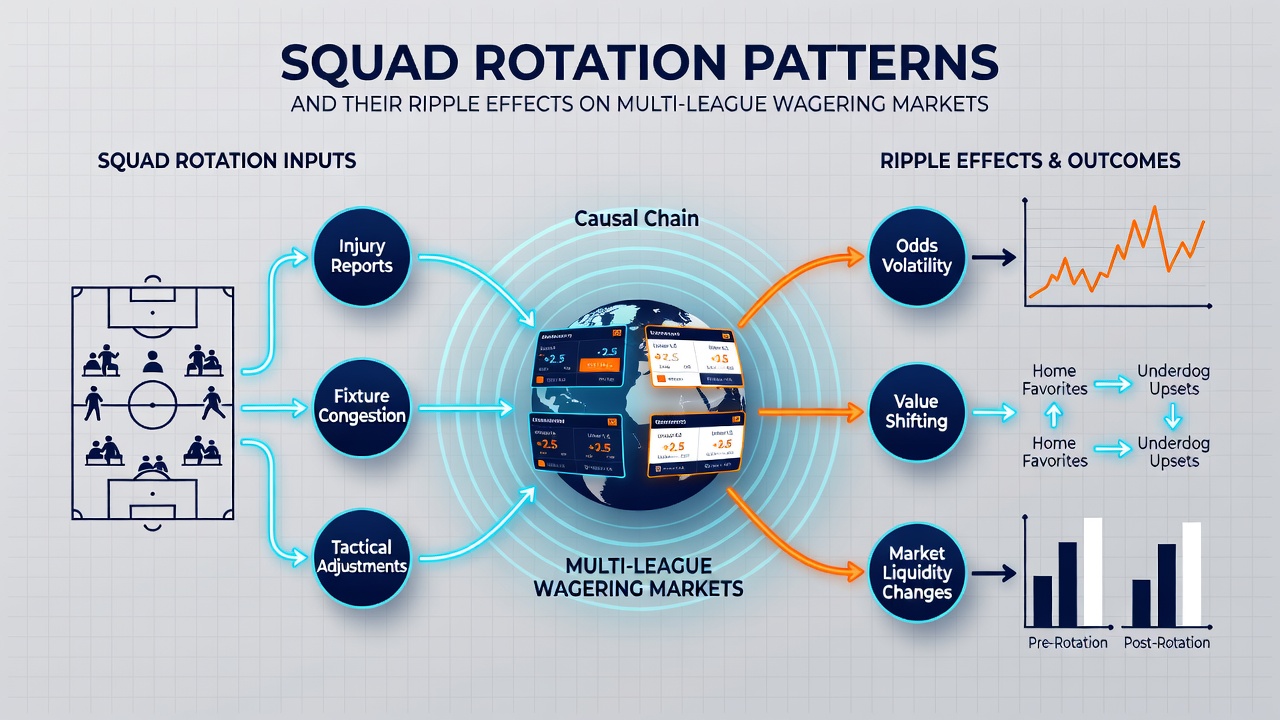
Live wagering platforms respond quickly to these changes. Bookmakers adjust totals and player prop lines within minutes of lineup announcements, and historical records from the 2026 season reveal that under goals markets gained traction in 62 percent of rotated matches. The ripple spreads to secondary leagues because betting volumes shift toward games featuring fresher squads, altering implied probabilities for outright results.
Market Adjustments in Multi-League Environments
Betting operators monitor rotation through official squad lists and training reports, then recalibrate odds to reflect reduced attacking depth. In September 2026, Allsvenskan sides coming off midweek European ties saw their win probabilities lowered by an average of 12 percent in pre-match markets compared with non-European weeks. Similar patterns emerged in the Eredivisie and Primeira Liga, where data aggregators recorded parallel drops in over 2.5 goals odds.
Those who study wagering flows point out that liquidity moves toward alternative markets such as Asian handicaps and first-half totals when rotation becomes predictable. European regulatory bodies including the Malta Gaming Authority have published guidelines on transparency in odds adjustments, requiring operators to document how team news influences pricing. These requirements help maintain consistency across borders while clubs navigate packed September schedules.
Longer-Term Effects on Wagering Volumes
Repeated rotation cycles influence seasonal betting trends as markets price in cumulative fatigue. Teams that rotate heavily in September often show improved late-season performance, which shifts futures markets toward those clubs by December. Figures from industry reports indicate that multi-league participants attracted 18 percent higher handle on season-long props during the 2025-2026 campaign compared with prior years.
Rotation also affects player-specific markets. When key goal scorers sit out domestic games, prop bets on substitutes rise, and bookmakers widen spreads accordingly. This creates opportunities in derivative markets while primary match odds stabilize around updated expected goal projections.
Conclusion
Squad rotation patterns produce clear, trackable effects on performance metrics that wagering markets incorporate through rapid odds revisions. September 2026 data confirmed these links across several European competitions, with goal totals and win probabilities shifting in line with documented lineup changes. Operators and analysts continue to refine models that account for travel, recovery windows, and historical rotation frequency, allowing markets to reflect the interconnected nature of modern club schedules.